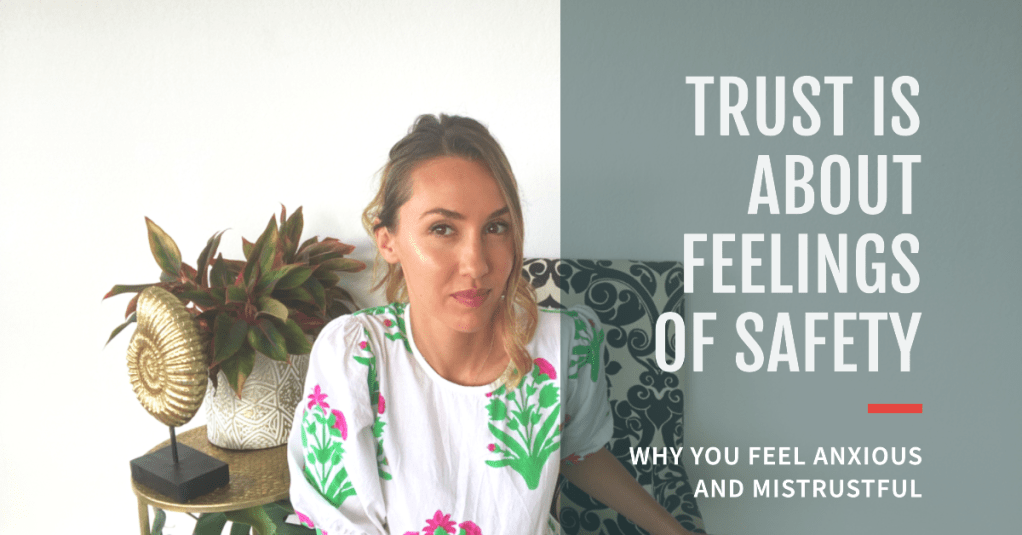
Hey there, dear readers! Welcome back to our exploration of the intricate maze of human emotions and experiences. As we’ve discussed topics ranging from trauma to the effects of growing up in a dysfunctional home, today’s focus is something I’m sure many of us can relate to: the intertwined realms of trust and safety.
Do You Feel Unsettled?
Ever found yourself feeling paranoid, perhaps double-checking if your partner has been truthful or second-guessing your friends’ intentions? Or maybe doubting your own worth at your workplace? Then this post is for you. I also, recently made a video on the topic on my YouTube Channel, so check it out as well.
To truly grasp the challenges some face with trust, we must first understand it through the lens of feelings regarding safety. In my view, trust and safety are inseparable. Feelings of lack of safety stem from unstable or challenging environments in one’s formative years. Such environments aren’t restricted to dysfunctional families. They can arise from living in areas marked by conflict, enduring financial instability, or even from periods of personal emotional turmoil.
How Trust Issues Manifest
Trust issues can manifest in several ways, and they aren’t limited to our interactions with others:
- Self-Doubt: If you grew up in an environment where your opinions were often disregarded, you might internalize feelings of inadequacy or fear around expressing yourself. This can create a foundational mistrust in your own capabilities and judgments.
- Interpersonal Relations: The impact of traumatic experiences, being personally violated, or witnessing domestic violence, can lead to hyper-vigilance and a foundational mistrust of others. The fear that one’s safety could be compromised and putting up an air or protection against others becomes a recurring theme in interactions.
- Anxiety Overflows: Our mistrust can also overflow into heightened anxieties:
- Social Anxiety: Feeling anxious, worried, when interacting with people is lack of trust because you lack trust that others will adequately evaluate you and you also maybe be lacking trust in yourself that you are capable of showing up in a presentable manner. Of course social anxiety, experiencing slight excitement and worries and not immediately trusting people is normal and only people with strong psychopathic tendencies don’t experience social anxiety. However it becomes a problem when the person is unable to tolerate interactions and uses alcohol, drugs or social isolation to cope all of which have obvious cascades of outcomes.
- Relationship Anxiety: People with attachment insecurities often grapple with fears of abandonment, deceit, or being undervalued by their partners. This too comes to feelings of lack of trust and ultimately safety. Fear of loneliness, fear of abandonment is is usually marked with hyper-vigilance around monitoring your partners face expressions, snooping in technology devices, investing energy into controlling the relationship and making sure you get a lot of attention.
- Work-Related Anxieties: A mistrust in one’s abilities or doubting colleagues’ intentions can lead to heightened workplace anxieties. Anxieties around work, and not feeling competent, not feeling that you have agency, feeling unworthy is also a lack of safety and mistrust in yourself. Anxieties about being fired, being left out of groups of productivity is a feeling of lack of safety and mistrust within yourself. Feeling that others will evaluate you negatively, not trusting others to delegate tasks, feeling that others are constantly undermining you and have an ulterior motive are all related to feeling of lack of safety.
It’s vital to remember that feelings of mistrust are a universal human experience. In our age of information (and misinformation), doubts about whom and what to trust are more prevalent than ever. However, to lead a life enriched with meaningful relationships and personal growth, addressing and navigating these trust issues is crucial. At the core of our psychological health lies a need for security. Maslow’s hierarchy of needs positions safety right after physiological needs, emphasizing its role as a primary requirement for human development. When we trust our environment and the people within it, we reduce our cognitive load. Instead of being in a constant state of vigilance, our minds can focus on growth, creativity, and connection. Safety and trust extend beyond interpersonal dynamics. Trusting oneself, one’s abilities, judgments, and instincts, is fundamental for personal development. This internal trust fuels autonomy, emboldens decision-making, and encourages individuals to embrace opportunities without debilitating self-doubt.
Steps Toward Healing
Achieving a sense of trust and safety isn’t a mere switch that one can turn on. It’s an intricate process:
- Engage in Reflective Practices: Meditation, deep breathing, and grounding exercises can help anchor your emotions and foster a sense of internal safety.
- Seek Professional Help: Therapy can provide tools and perspectives to navigate trust issues. A therapeutic relationship can itself become a testament to safety and trust-building.
- Building Safe Spaces: For those who’ve experienced profound traumas, finding safety might seem daunting. However, with time and support, even if you feel you’ve never known safety, it’s possible to cultivate it.
If these sentiments resonate with you and you’re seeking guidance, I’m here to help. Sign up for my one on one coaching session.
Share your thoughts, experiences, and questions in the comments section.
Sending you all wishes of peace and healing. Until next time!
Sofya Vass
Check out my 8 week online course for adult children of alcoholics https://acoa.me/
Or my book on Amazon
 Resources for adult children of alcoholics
Leave a comment