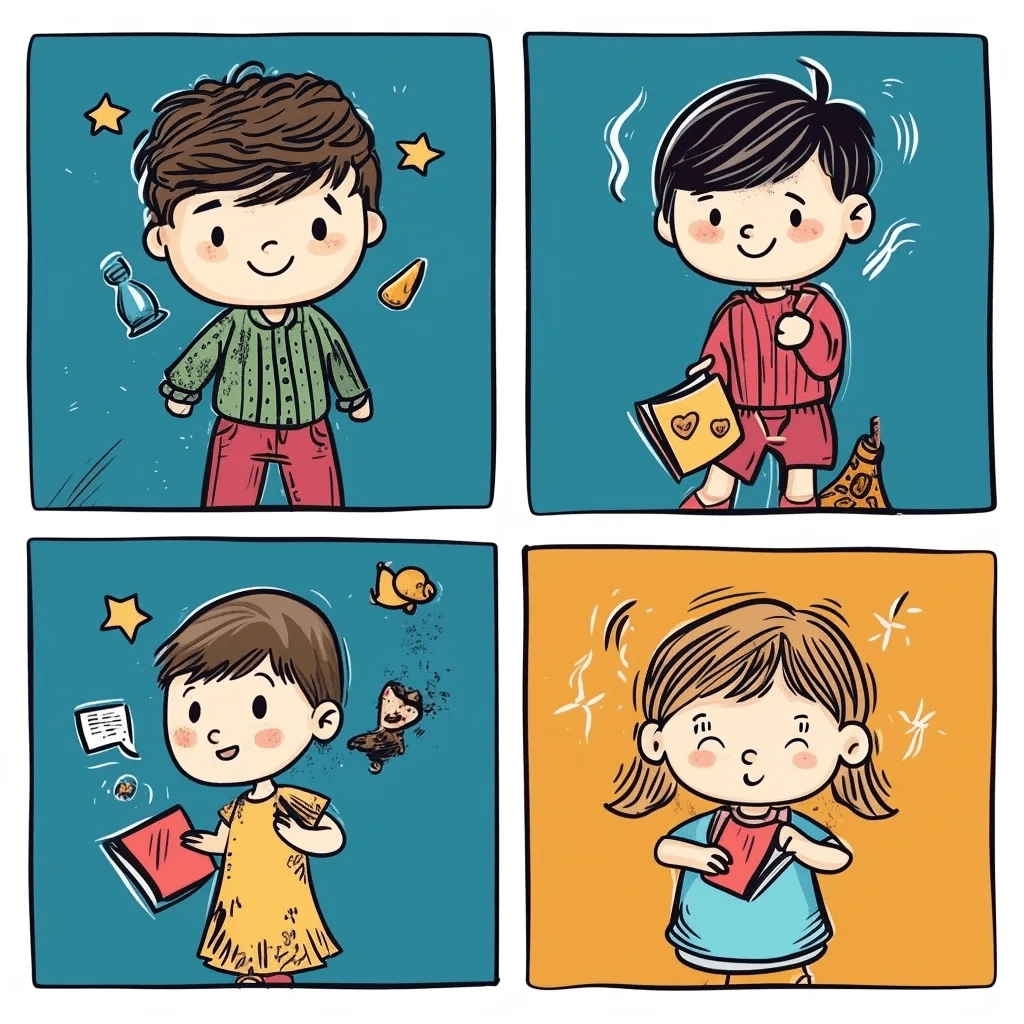
Growing up in a household affected by alcoholism often forces children into survival roles that shape how they navigate the world. These roles—The Hero, The Scapegoat, The Mascot, and The Lost Child—can profoundly influence adulthood, affecting relationships, self-esteem, and coping mechanisms. Understanding these roles is a powerful step toward healing and breaking free from their limitations.
1. The Hero: The Perfectionist and Over-Achiever
Who They Are:
The Hero is often the oldest child who takes on excessive responsibility to bring order to the chaos. They strive for perfection and success to compensate for the family dysfunction.
Adult Impacts:
As adults, Heroes tend to be highly accomplished but may struggle with anxiety, perfectionism, and burnout. Their self-worth is tied to achievement, and they often feel the weight of needing to “save” others in relationships.
Healing Tip:
Practice self-compassion and learn to separate your worth from your achievements. Therapy or coaching can help explore the root of your need to over-function and guide you toward balance.
2. The Scapegoat: The Rebel and Truth-Teller
Who They Are:
The Scapegoat acts out to divert attention away from the family’s real issues. They may rebel against authority, break rules, or vocalize the dysfunction in the household.
Adult Impacts:
As adults, Scapegoats may struggle with trust and authority, often feeling misunderstood or judged. While their rebelliousness can manifest as independence, it may also lead to self-sabotage or strained relationships.
Healing Tip:
Focus on building self-trust and recognizing your strengths. Use your truth-telling nature to advocate for yourself rather than as a defense mechanism.
3. The Mascot: The Comedian and People-Pleaser
Who They Are:
The Mascot uses humor and charm to diffuse tension in the family. They often take on the role of the entertainer to bring lightness to dark situations.
Adult Impacts:
As adults, Mascots may rely on humor to mask deeper emotions, finding it hard to express vulnerability. Their tendency to people-please can lead to neglecting their own needs.
Healing Tip:
Explore what lies beneath the jokes. Journaling and mindfulness can help you connect with your emotions, while therapy provides a safe space to express vulnerability.
4. The Lost Child: The Invisible Observer
Who They Are:
The Lost Child avoids conflict by withdrawing and fading into the background. They often escape through books, fantasies, or isolation.
Adult Impacts:
As adults, Lost Children may struggle with intimacy and assertiveness, preferring solitude over connection. They often feel unseen or unimportant in relationships.
Healing Tip:
Start by taking small steps to connect with others and voice your needs. Practicing assertiveness in safe environments can help build confidence in forming meaningful relationships.
Breaking Free: How to Heal and Thrive
These roles are survival mechanisms, not definitions of who you are. By recognizing their impact, you can begin to unlearn patterns that no longer serve you. Seek out resources, such as therapy, coaching, or support groups like Adult Children of Alcoholics (ACoA), to gain tools for healing and rewriting your story.
Remember: You are not your past. Understanding these roles is the first step in creating the future you deserve.
Ready to Take the Next Step?
If you’re ready to explore how these roles affect your life and relationships, I offer one-on-one coaching specifically for Adult Children of Alcoholics (ACoAs). My coaching sessions are designed to help you uncover your patterns, heal, and thrive.
You can also check out my book for ACoAs, which dives deeper into these roles and provides actionable strategies for healing. Additionally, consider signing up for my online workshop to connect with others on a similar journey and gain tools to create the life you want.
Visit to learn more and get started today. Healing is within your reach!
Happy Healing,
Sofya Vass
 Resources for adult children of alcoholics
Leave a comment